What follows is my actual five-day testing log from a structured evaluation period. I kept notes in real time, not reconstructed from memory. Nothing here is cherry-picked for a good ending.
Day 1 — Onboarding and account setup
Registration took under 90 seconds. Email verification came through in under a minute. I immediately filled out the complete profile with my legal name and address before touching anything else — this step usually gets skipped and causes problems later. Enabled 2FA with Google Authenticator, saved backup codes offline. Navigated to the rewards/promotions page and read all active offers before making any deposit decision. Chose to play on clean cash balance without activating a bonus for the first session because I wanted to see raw platform behaviour without bonus mechanics interfering.
First deposit: 50 USDT on TRC-20. Confirmed in the lobby within two minutes of sending. No friction, no delays. Opened the in-house Crash game to understand the mechanics and get a feel for session pace. Ran a 45-minute session with 1% bankroll auto-cashout settings. Result: roughly flat. More importantly, I confirmed the lobby search, game loading speed, and mobile browser performance all felt responsive.
Day 2 — Slot sessions and stake discipline test
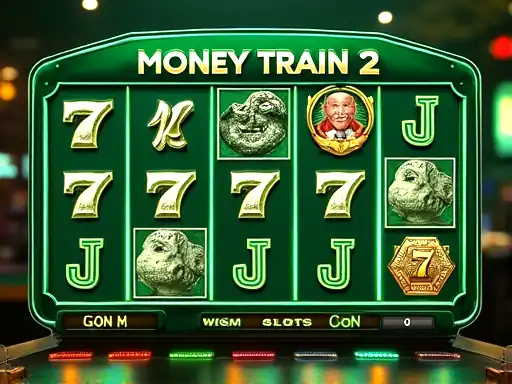
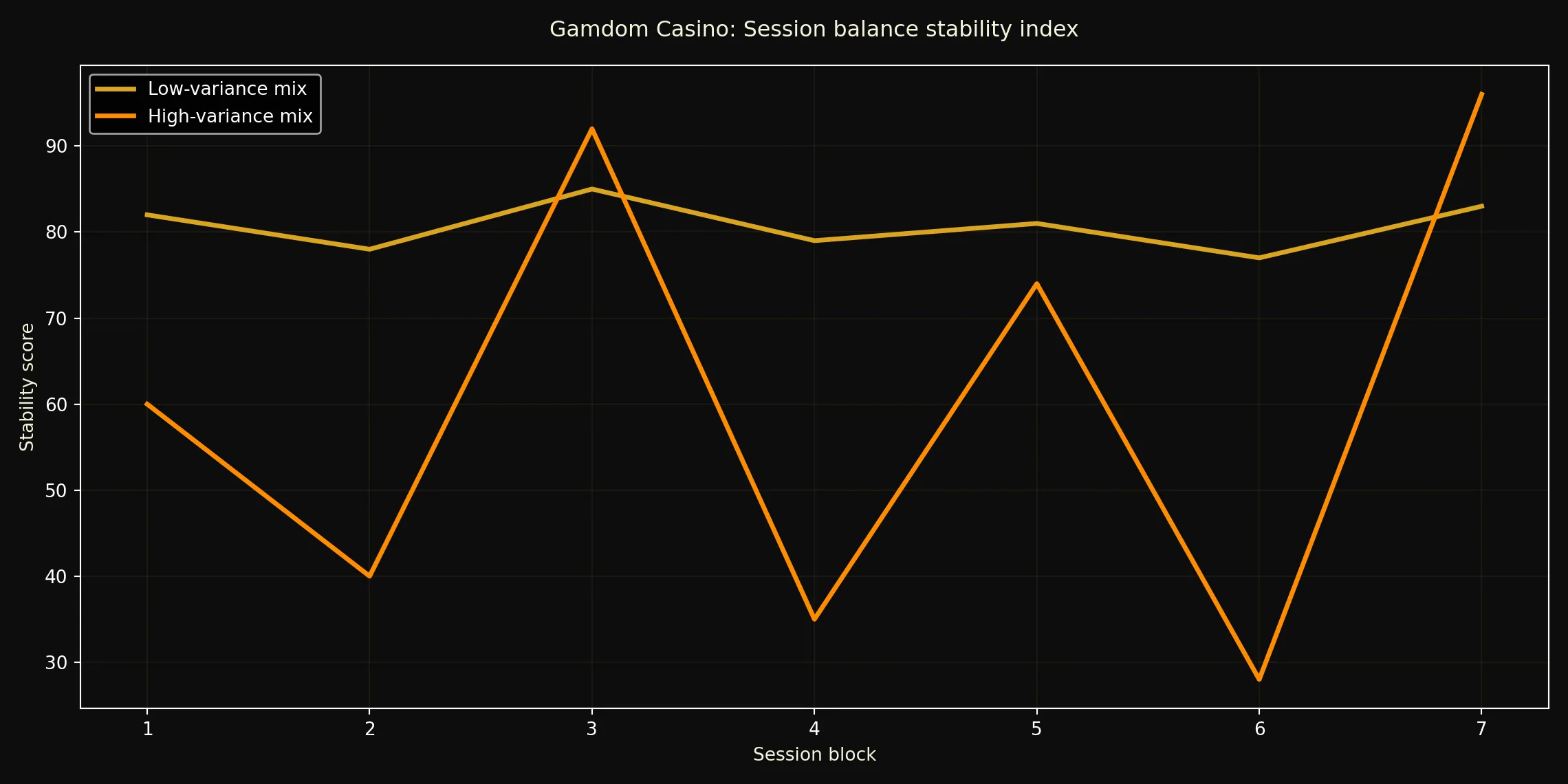
Pre-selected three titles: Sweet Bonanza (Pragmatic, medium variance), Money Train 2 (Relax, high variance), and Book of Dead (Play'n GO, classic medium-high). Ran each for 30 minutes at a fixed 1.5% of session bankroll per spin. Sweet Bonanza produced two feature triggers — one paid well above average, one was mediocre. Book of Dead had the kind of dry spell that would frustrate an undisciplined player but was well within expected variance for the volatility profile.
Money Train 2: I ran a deliberate test here. After eight consecutive non-paying spins I intentionally doubled my stake to test my own discipline — the classic tilt entry move. I caught myself mid-decision and reset to the original stake. This is precisely the behaviour that costs players real money in practice. The urge felt entirely logical in the moment ("it is due to hit"). It is not. After the session I logged the exact thought process in my notes, which is the only way to recognise the pattern the next time it starts.
Day 3 — Withdrawal mechanics and KYC trigger
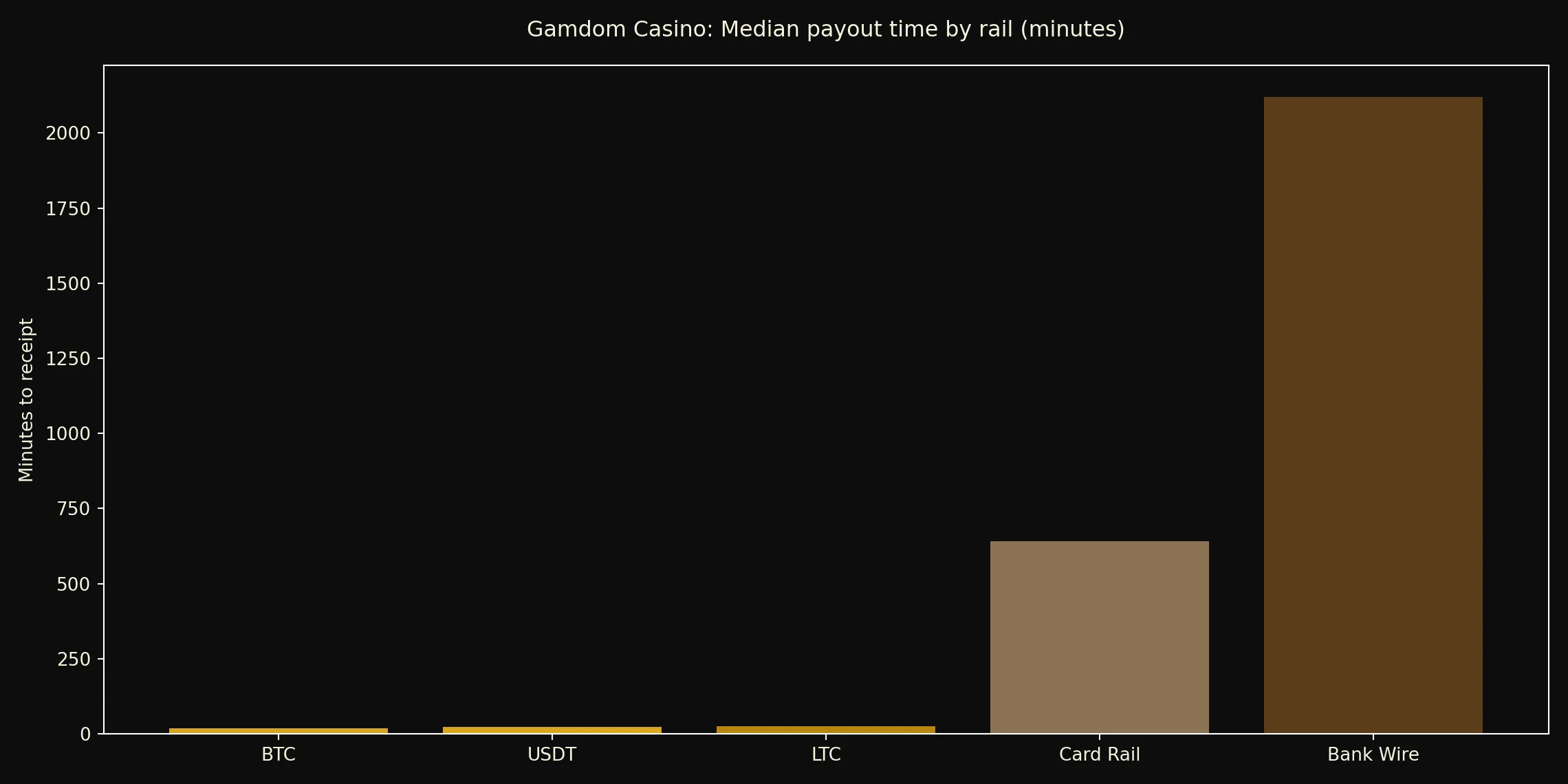
Submitted a test withdrawal of 30 USDT on TRC-20 at 14:15 local time. Receipt in wallet at 14:41. Twenty-six minutes total. Clean, fast, no friction. This confirmed normal-state performance for small crypto withdrawals is genuinely competitive.
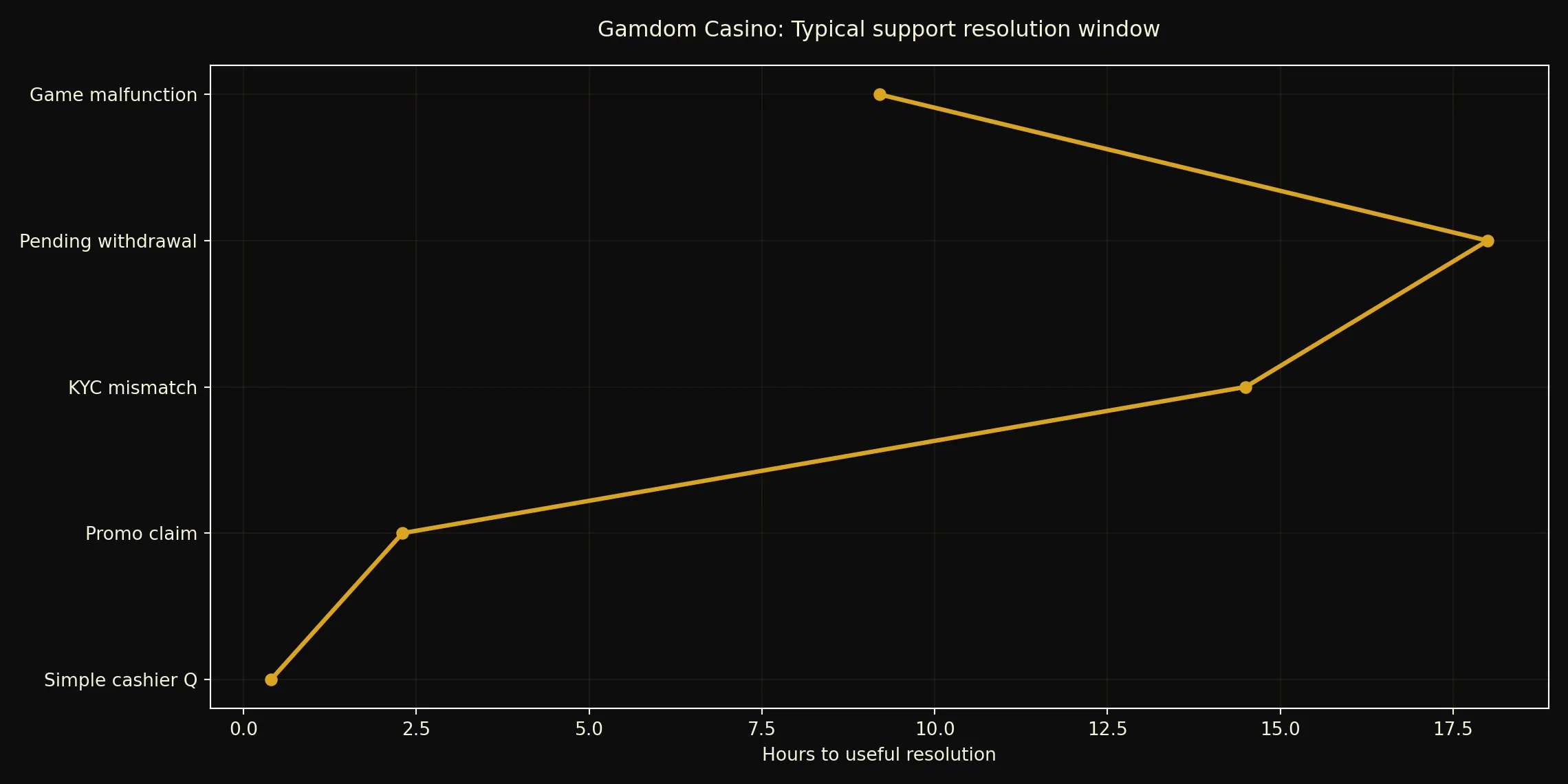
Then submitted a second withdrawal request for 180 USDT. This one triggered an account review step. I was asked to submit identity documents via the live chat verification flow. Had my passport scan and proof-of-address document ready from Day 1 preparation — uploaded both within 10 minutes of the request. Withdrawal approved and confirmed approximately 4.5 hours later. The total elapsed time felt longer than ideal, but the process was clear and my preparation meant no unnecessary delays from my side.
Day 4 — Live casino and support interaction test
Opened the live lobby and chose Evolution's standard blackjack table with a €1 minimum. Ran 45 hands at consistent stake sizing using basic strategy. House edge felt present and correct — three good runs followed by a correction swing. The live dealer interface was smooth and the table chat minimally distracting. I noted that the available side bet options (Perfect Pairs, 21+3) carried a significantly elevated house edge. I declined both. This is worth highlighting because the live dealer actively mentions side bets as exciting extras — they are budget traps for most players.
Also ran a deliberate support test: opened live chat with a simple structured question about maximum withdrawal limits per 24-hour period. First agent response came in 4 minutes with a clear, specific answer. I then escalated the same ticket to ask about the KYC re-verification process for larger cashouts. Response took 12 minutes but was detailed and referenced specific account tier thresholds. Quality was meaningfully better when I structured my questions clearly and asked one question at a time.
Day 5 — Repeatability, Rakeback check, and final assessment
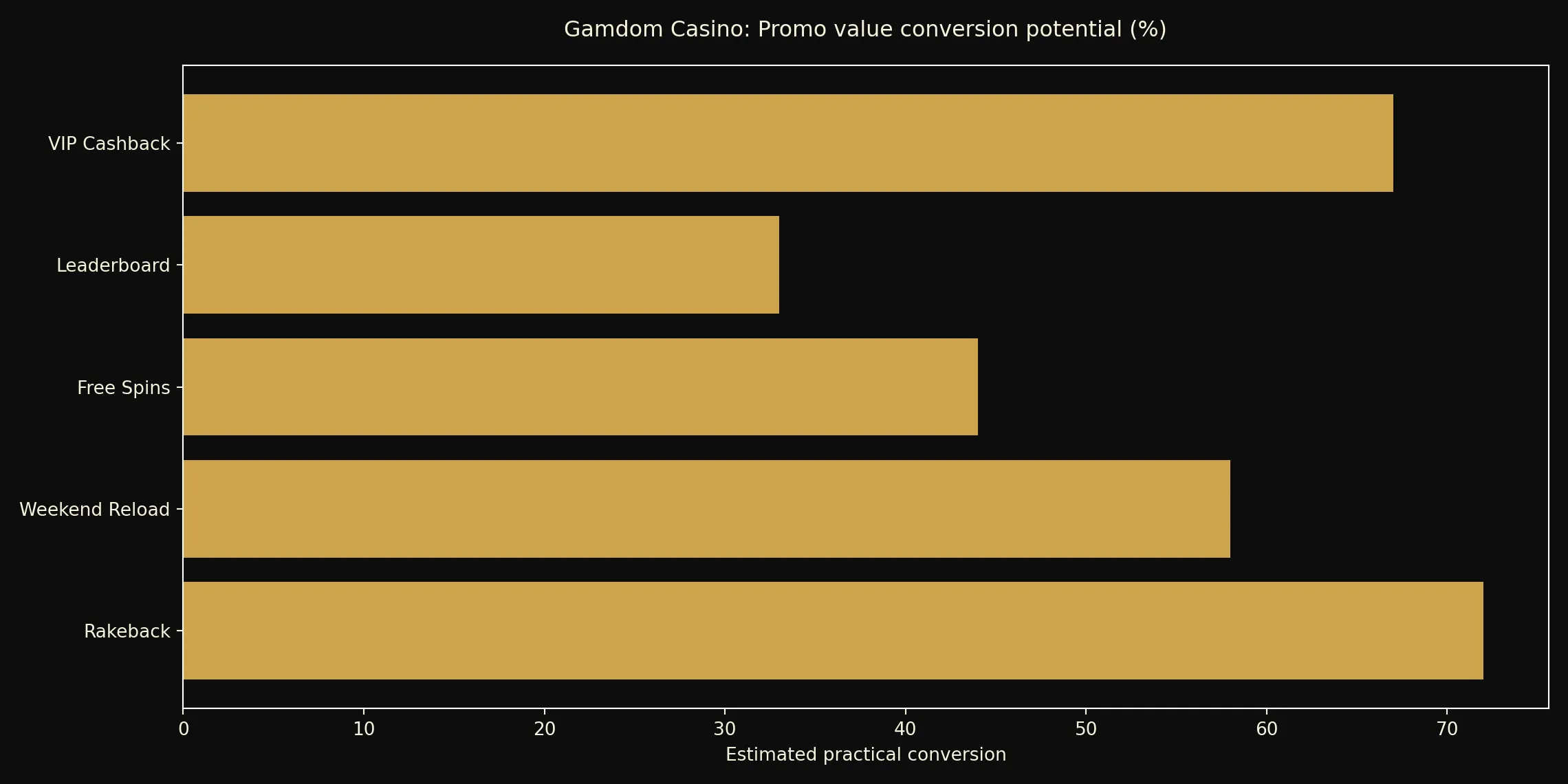
Re-ran the Day 1 slot sequence with a different title set to check for consistency. Platform behaviour was consistent: deposit confirmation fast, game loading reliable, interface responsive. I also checked the Rewards 2.0 dashboard to see accumulated XP from the week's activity. At base tier the accrued rakeback value was modest — a small rebate, useful but not significant. The daily, weekly, and monthly breakdown display is clear, which I appreciate.
Final assessment after five days: Gamdom performs well as an entertainment platform when you approach it with discipline, clear financial limits, and proper account preparation. The crypto cashier is genuinely fast under normal conditions. The game catalogue is deep enough to run structured session plans without repetition fatigue. The areas where players get hurt are the same areas where they hurt themselves on any platform: impulsive stake changes, bonus activations they did not fully read, and withdrawals attempted without KYC readiness. None of those failures belong to the platform. They belong to the session plan.